
How to Check Filtered Water at Home: Simple Tips & Tricks

Ryan DiChiara • August 6, 2024

How to Check Filtered Water at Home Simple Tips & Tricks

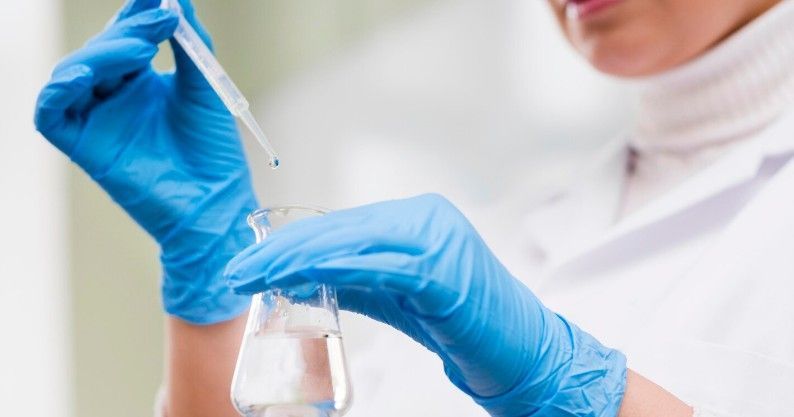
Checking filtered water at home is crucial to ensure that your filtration system is providing you with clean and safe water. Start by examining the water's clarity and taste—clear, fresh-tasting water indicates effective filtration. To test for contaminants, you can use home water test kits, which check for common issues such as chlorine, lead, and bacteria. If you notice any changes in water quality or suspect your filter is not performing as expected, it’s time to replace it.

At Florida Pure Water Solutions, we specialize in providing the best water systems and support to keep your water pure. Our advanced filtration solutions and expert advice ensure that you and your family have access to the highest quality water. Contact us today to learn more about maintaining your filtration system and to schedule a professional water quality assessment.

The Importance of Testing Your Home Water Filter

In today’s world, access to clean and safe drinking water is more essential than ever. With increasing concerns about water quality due to contaminants and pollutants, ensuring that your home water filter is functioning optimally is a crucial step toward safeguarding your health. Many homeowners invest in water filtration systems with the expectation of pure, refreshing water, but over time, these systems can become less effective due to factors like filter saturation, build-up of bacteria, or changes in the water supply itself.

Testing your home water filter is not just a precaution; it's an ongoing commitment to your family's well-being. Regular assessment allows you to identify potential issues, ensuring that your filter is effectively removing harmful substances such as chlorine, lead, heavy metals, and bacteria. Moreover, it provides peace of mind, knowing that each glass of water you pour is as clean and safe as possible.


Different Types of Water Filters

When it comes to ensuring clean and safe drinking water, understanding the various types of water filters available is crucial. Each type of filter employs different technologies and methods to remove impurities, and knowing how they work can help you choose the best option for your needs.

Activated Carbon Filters:

One of the most popular types, activated carbon filters utilize a porous form of carbon to absorb contaminants. These filters effectively remove chlorine, sediment, volatile organic compounds (VOCs), and odors, significantly improving the taste of your water. They are often found in pitcher filters, under-sink systems, and faucet attachments. However, while they excel at removing many impurities, they may not effectively eliminate heavier metals or certain pathogens.

Reverse Osmosis (RO) Systems:

Reverse osmosis systems use a semi-permeable membrane to remove up to 99% of dissolved salts, heavy metals, and other impurities. This filtration process involves pushing water through the membrane, leaving contaminants behind. RO systems are highly effective but can waste water and may require a storage tank due to their slower filtration rate. They are ideal for those seeking high purity levels in their drinking water.

UV Filters:

Ultraviolet (UV) filters are a unique solution that employs ultraviolet light to disinfect water. This method targets bacteria, viruses, and other microorganisms, rendering them harmless. While UV filters are excellent for killing pathogens, they do not remove chemical contaminants or sediment, so they are often used in conjunction with other filtration methods.

Ceramic Filters:

Ceramic filters consist of porous ceramic material that physically strains larger contaminants, including bacteria and sediment. Often used in gravity-fed systems, these filters can be cleaned and reused, making them a sustainable option. However, they may not effectively remove chemicals or heavy metals, so they are best used in combination with other filtration systems.

Ion Exchange Filters:

These filters are commonly found in water softeners and are designed to remove hardness minerals like calcium and magnesium by exchanging them for sodium ions. While they improve water quality and taste, they do not address other contaminants, meaning they may need to be used alongside additional filtration systems.

Signs Your Water Filter Needs Testing

Regularly testing your water filter is crucial to ensure it functions effectively, but how do you know when it's time to conduct that test? Here are some key signs to watch for that indicate your water filter may need immediate attention.

Unusual Taste or Odor:

One of the most obvious signs that your water filter needs testing is a change in taste or smell. If your previously crisp and clean water starts to taste metallic, earthy, or has an unpleasant odor, it could mean that the filter is no longer trapping contaminants effectively. This is a clear indication that you should test your filter immediately.

Cloudy or Discolored Water:

Clear, clean water is one of the primary benefits of using a water filter. If you notice that your water has become cloudy, murky, or discolored—whether it’s brown, yellow, or has floating particles—it’s a red flag. Cloudiness can signal that your filter is struggling to remove sediments or impurities, necessitating a test to evaluate its performance.

Decreased Water Pressure:

A sudden drop in water pressure when using your filtration system can also be a sign that something is amiss. If you notice that your faucet is running slower than usual or that your refrigerator’s water dispenser is barely trickling, it may indicate that your filter is clogged and needs to be tested or replaced.

Filter Age:

Every water filter has a lifespan, and it's essential to keep track of when it was last changed. If you're nearing the end of your filter’s recommended lifespan—typically indicated on the packaging or user manual—it’s wise to test the water to ensure it’s still adequately filtering contaminants. Even if you haven't noticed any of the other signs, regular testing is a proactive approach to maintaining your water quality.

Changes in Water Source or Quality:

If you’ve recently moved to a new area, switched water suppliers, or if there have been known issues with the local water supply, it's crucial to test your filter. Changes in the source water can introduce new contaminants that your filter may not be equipped to handle without proper testing.

Essential Testing Tools and Kits

When it comes to ensuring the safety and cleanliness of your drinking water, having the right testing tools and kits is essential. These instruments can provide you with a comprehensive understanding of your water quality and highlight any potential contaminants that may be lurking in your supply. Fortunately, there are a variety of options available, catering to different needs and budgets.

1. Water Testing Kits:

One of the most straightforward ways to test your home water is by using a water testing kit. These kits often come with easy-to-follow instructions and allow you to test for a range of contaminants, including lead, chlorine, nitrates, and bacteria. Many kits include color-coded test strips that change color based on the concentration of different substances in your water, making it easy to interpret the results. Look for kits that are certified by reputable organizations to ensure accuracy and reliability.

2. Digital Testers:

For those who prefer a more high-tech approach, digital water testers offer precision and ease of use. These devices can measure various parameters such as pH, total dissolved solids (TDS), and conductivity. Simply dip the tester into a water sample, and within seconds, you’ll receive a digital readout of your water’s quality. Many digital testers are portable and come with a protective case, making them convenient for regular testing.

3. Laboratory Testing Services:

If you suspect your water may be contaminated or want a thorough analysis, sending a sample to a certified laboratory is the best option. While this method may take longer and involve a fee, it provides the most comprehensive results. Laboratories can test for a wide array of contaminants, including heavy metals, pesticides, and microbial pollutants, offering peace of mind regarding your water quality.

4. DIY Testing Methods:

For those who enjoy a hands-on approach, there are DIY methods available. For instance, you can use vinegar and baking soda to test for hard water—if you notice fizzing, it's a sign of high mineral content. Additionally, you can collect samples for visual observation; cloudy water, unusual colors, or strange odors can all indicate potential problems.

Incorporating these essential testing tools and kits into your routine will empower you to take control of your water quality. Regular testing not only helps ensure that your drinking water is safe but also allows you to address any issues proactively, safeguarding the health of you and your family.

How to Collect a Water Sample Properly

Collecting a water sample properly is crucial for accurate test results. Start by gathering a clean, dry container glass or a sterile plastic bottle designed for testing. Choose a representative faucet, preferably from a filtered water source, and rinse the container with the water you plan to test. After letting the faucet run for a few minutes to flush stagnant water, fill the container about three-quarters full, avoiding contact with the inside of the cap. Label the container with the date, time, and source of the water, and store it in a cool, dark place if needed. Proper sampling ensures reliable results and helps maintain clean and safe drinking water.

Testing for Common Contaminants

When it comes to ensuring the safety and cleanliness of your drinking water, testing for common contaminants is a crucial step in the process. Many households rely on water filters to improve the taste and quality of their water, but it’s important to remember that not all filters are created equal. Different filters target different types of contaminants, and understanding what lurks in your water supply is essential for effective filtration.

Begin by familiarizing yourself with the most common contaminants found in tap water. These can include bacteria, heavy metals such as lead and mercury, chlorine, pesticides, and volatile organic compounds (VOCs). Each of these substances can pose health risks, ranging from minor gastrointestinal issues to more serious long-term effects.

To accurately test for these contaminants, you can purchase a comprehensive water testing kit from your local hardware store or online. These kits typically include test strips or vials for collecting samples, along with instructions for identifying specific contaminants. Some advanced kits even offer lab analysis for more precise results.

Once you have your testing kit, follow the instructions carefully. It's important to collect samples at different times and from various sources—such as kitchen taps, bathroom sinks, and even outdoor spigots—to get a complete picture of your water quality. After testing, compare your results to the Environmental Protection Agency (EPA) standards to determine if any contaminants exceed safe levels.

If you discover the presence of harmful substances, don’t panic. This is where your water filter comes into play. Review the specifications of your filtration system to ensure it’s designed to remove the contaminants you’ve tested for. If your current filter falls short, consider upgrading to a more effective model or implementing additional filtration methods, such as reverse osmosis or UV purification.

Regular testing for common contaminants not only helps maintain the integrity of your drinking water but also empowers you to make informed decisions about your water filtration needs. By staying proactive about water quality, you can ensure that every drop you drink is as clean and safe as possible.

Interpreting Test Results: What Do They Mean?

Interpreting test results can often feel like deciphering a foreign language, especially when it comes to understanding the safety and quality of your drinking water. Once you have your water sample analyzed, whether through a DIY test kit or a professional laboratory, the next step is to make sense of the findings.

Most water testing kits will provide a detailed breakdown of various contaminants, such as lead, chlorine, bacteria, nitrates, and more. Each of these substances has a specific acceptable limit as set by health authorities, so it’s crucial to compare your results against these benchmarks. For instance, the EPA (Environmental Protection Agency) has established maximum contaminant levels (MCLs) for many harmful substances. If your test reveals lead levels above 0.015 mg/L, for example, it’s a cause for concern, as even small amounts can be detrimental to health, particularly in young children and pregnant women.

In addition to numeric values, some tests might indicate the presence of contaminants as “pass” or “fail.” While this can simplify the interpretation process, it’s still essential to conduct further research or consult with a professional if you receive alarming results.

Take note of any unexpected contaminants. For instance, if your water test reveals high levels of bacteria, it could indicate a serious issue with your water source or filtration system. In contrast, finding traces of chlorine might suggest that your municipal water supply is being treated correctly, but if the levels are excessively high, it could also pose health risks.

Lastly, don’t forget to consider the context of your results. Seasonal changes, geographic location, and even recent weather patterns can influence water quality. Heavy rain, for example, can lead to runoff that carries contaminants into your water supply. So, while your test results are a critical piece of the puzzle, they should be viewed alongside other factors.

When to Replace Your Water Filter

Understanding when to replace your water filter is crucial to maintaining the quality and safety of your drinking water. Filters are designed to capture impurities, contaminants, and sediments, but over time, they can become saturated and less effective. Failing to replace a filter on schedule can lead to a host of problems, from reduced water flow to the potential for harmful substances to seep back into your drinking supply.

Most manufacturers provide a recommended replacement schedule based on usage, typically ranging from three to six months for standard filters. However, factors such as water quality, usage frequency, and the specific filter type can all impact how often you should change your filter. For instance, if you have a household of heavy water users or live in an area with particularly poor water quality, you may need to replace your filter more frequently.

To stay proactive, watch for signs that indicate it's time to make a change. A noticeable decline in water flow, an unusual taste or odor, or discoloration in the water can all signal that your filter is no longer functioning optimally. Additionally, many modern filters come equipped with indicators or alarms that alert you when it's time for a replacement.

Keeping a calendar reminder or setting a recurring alert on your phone can also help you stay on top of your filter maintenance. By being vigilant about replacing your water filter, you ensure that you continue to enjoy clean, safe, and great-tasting water, providing peace of mind for you and your family.

Regular Maintenance Tips for Your Water Filter

To ensure your home water filter operates at peak performance and continues to provide clean, safe drinking water, regular maintenance is essential. Just like any other appliance in your home, your water filter requires a bit of attention to keep it functioning optimally.

Check and Replace Filters Regularly

One of the most crucial aspects of maintenance is keeping an eye on the filters themselves. Depending on the type of filter you have—be it a pitcher, faucet-mounted, or under-sink system—filters will need to be replaced at specific intervals. Check the manufacturer’s guidelines for recommended replacement schedules. Most filters typically need to be changed every two to six months, but if you notice a decline in water quality or flow rate, it's wise to replace them sooner. Mark your calendar or set reminders to ensure you don’t miss these important maintenance tasks.

Clean the System

In addition to replacing filters, regularly cleaning your water filtration system can enhance its efficiency. For systems that allow it, such as reverse osmosis units, take the time to disinfect the components using a mixture of vinegar and water or a solution recommended by the manufacturer. This practice eliminates any buildup of bacteria or mineral deposits that can compromise water quality.

Monitor Water Quality

Regularly test your filtered water to ensure it meets safety standards. Invest in a home testing kit that checks for common contaminants like chlorine, lead, and bacteria. This proactive approach allows you to catch any potential issues before they become significant problems. If you notice unusual tastes, odors, or discoloration in the water, investigate immediately

Keep the Area Clean and Dry

Lastly, maintaining a clean environment around your water filter is often overlooked but equally important. Dust, dirt, and moisture can lead to mold growth or bacterial contamination. Wipe down the exterior of the filter and the surrounding area regularly, ensuring it remains dry and free from debris.

FAQs About Water Filters and Testing

When it comes to ensuring the quality of your drinking water, it's natural to have questions. Understanding the intricacies of water filters and testing methods is crucial for making informed decisions about your home water system. Below, we’ll address some of the most frequently asked questions (FAQs) to help demystify the process and empower you to take control of your water quality.

1. How often should I test my water?
It’s recommended to test your water at least once a year, especially if you rely on well water or live in an area with a history of water quality issues. Regular testing can help identify potential contaminants and ensure your filter is working effectively.

2. What contaminants should I be concerned about?
Common contaminants include lead, chlorine, bacteria, nitrates, and sediment. The specific risks may vary depending on your water source and local environmental conditions. A comprehensive test can help identify which specific contaminants are present in your water.

3. Can I test my water at home?
Yes, home testing kits are available for various contaminants and are user-friendly. However, for a more thorough analysis, especially for hazardous substances, you may want to send a sample to a certified laboratory.

4. How do I know if my water filter is working?
Monitoring the taste, smell, and clarity of your water can provide some clues. Additionally, many filters come with indicators that alert you when it’s time for a replacement. Regular testing of your filtered water can also confirm its effectiveness in removing contaminants.

Conclusion: Ensuring Your Family's Health through Clean Water

In conclusion, ensuring your family's health through clean water is not just a necessity; it is a fundamental commitment to their well-being. By following the correct procedures—gathering clean supplies, choosing the right faucet, rinsing the container, and properly labeling and storing the sample—you can ensure that your water quality tests reflect the true state of your water. This careful approach is the first step toward maintaining clean and safe drinking water for you and your family. For expert advice and top-quality water filtration solutions, contact Florida Pure Water Solutions today.

Resources for Further Reading and Assistance

When it comes to ensuring that your home water filter is providing clean and safe drinking water, having access to the right resources can make all the difference. Below, we've compiled a list of valuable materials and organizations that can guide you further on your journey to water purity.

1.
EPA’s Drinking Water Website
The Environmental Protection Agency (EPA) offers a wealth of information on drinking water quality, including guidelines for testing and filtering. Their resources can provide you with insights into the contaminants that may be present in your water supply and the methods to effectively address them.

2.
Water Quality Association (WQA)
The WQA is dedicated to promoting safe water practices and offers various educational materials, including testing kits and filter recommendations. Their website is a treasure trove of information on water filtration systems, including user guides and certification standards.

3.
National Sanitation Foundation (NSF)
The NSF provides certification for water filters and treatment systems. Their database allows you to verify if your filter meets the necessary safety and performance standards. This is essential in ensuring that the system you choose is effective in removing harmful contaminants.

4. Local Health Departments
Many local health departments conduct water quality testing and can provide you with specific advice tailored to your community’s water supply. They often offer free or low-cost testing services and can guide you on the best practices for maintaining your home water system.

5. Consumer Reports
For independent reviews and comparisons of various water filter systems, Consumer Reports is a go-to resource. They regularly test and evaluate different models, helping you make informed decisions based on performance, cost, and user satisfaction.

6. Online Forums and Community Groups
Engaging with online forums and social media groups focused on water quality can connect you with other homeowners who are navigating similar challenges. These communities often share personal experiences, recommendations, and troubleshooting tips that can be incredibly beneficial.

By Ryan DiChiara December 4, 2025
Buying a water purifier should feel like a simple decision. You just want clean, safe water at home. But when you start looking, every model looks different and every brand says something new. That is why it helps to understand a few basic things before choosing a water treatment system for your family. 1. Understand Your Water First Before you pick anything, take a moment to notice the water you already use. Does it look a little cloudy sometimes? Does it smell like chlorine? Does it leave white marks on taps or kettles? These small signs tell you a lot. When you know what your water is like, it becomes much easier to choose the right water treatment system instead of guessing. 2. Check the TDS Level TDS simply means how many dissolved particles are in the water. A small TDS meter shows this number in a second. If your TDS is high, you may need an RO-based water treatment system. If it is low, UV or UF might be enough. It’s a tiny check that saves a lot of confusion later. 3. Choose the Purification Type That Fits Your Home Each technology does a different job: RO lowers salt and removes heavy metals UV fights germs and viruses UF filters out dust and tiny particles Most families pick a multi-stage water treatment system because it handles a bit of everything. You don’t need to be a tech expert. Just choose the one that matches your water needs. 4. Ask About Maintenance Every purifier needs filter changes. It’s normal. But some brands charge too much, while others keep it reasonable. A good water treatment system should keep your water clean without making you worry about big yearly bills. Always ask the service cost before buying. 5. Think About Your Daily Use Some families drink a lot of water. Some areas get sudden power cuts. Some people like storing water for cooking too. So choose a purifier that fits your routine. A reliable water treatment system should give you enough clean water whenever you need it, without you waiting around. 6. Notice the Taste and Feel Clean water should taste light and fresh. When you install a good water treatment system , you should instantly feel the difference. If the water feels heavy, salty or odd, the system isn’t right for you. Trust your tongue—it never lies. 7. Check Brand Support A purifier is not something you replace every year. Pick a brand that helps quickly, answers politely and sends service on time. This keeps your water treatment system running smoothly for a long time. The Bottom Line Choosing a purifier becomes easy when you know what to look for. Just take a simple, calm approach and pick the water treatment system that feels right for your home and your family’s everyday life. Clean water should always feel safe, simple and stress-free. Frequently Asked Questions How do I know which water treatment system is right for my home? Check your water taste, smell and TDS level. These small clues help you choose the system that fits your daily needs. Does a water treatment system need regular service? Routine water treatment system filtration is important to keep the filters clean. When you get a water filter system installed, ask the provider about routine service and maintenance. Will a water treatment system change the taste of my water? After you install a water treatment system, your water taste will become lighter and fresher.
By Ryan DiChiara November 21, 2025
Knowing what water treatment system you need can feel confusing. Many homeowners look at whole home water softeners and water filters and wonder which one fits their needs. Both water systems help you improve your water quality. Each one solves a different problem. This guide explains what they do, how they work, and how you can choose the right one. What you will learn here: What a whole home water softener does What a water filter does Difference between water softener and filter What questions you should ask before choosing A simple checklist to guide your decision What does a whole home water softener do? A water softener reduces hard minerals in your water. Hard water can leave spots on dishes, create buildup in pipes, and make your soap feel less effective. A softener replaces these minerals with softer ones, usually sodium or potassium. This helps your home feel cleaner and smoother. Your appliances may last longer, and your skin may feel better after a shower. What does a water filter do for your home? A water filter removes unwanted particles and contaminants, such as iron. Some filters also reduce harmful bacteria or improve taste and sulphur smell. A water filter does not soften your water. It helps you get cleaner and safer water for drinking, cooking, and bathing. What is the difference between water softener and water filter? A water softener helps you deal with hard water. A water filter helps you deal with contaminants in water. Some homes need both. Some homes need only one. It depends on the quality of your water supply. If your sinks show white spots or your showerhead clogs often, your water is probably hard. A softener helps with that. If your water has a strong smell or leaves a strange taste, a water filter helps with that. Can you use a water softener and a filter together? Yes. Many homeowners use both systems because they work on different issues. A whole home water softener is installed to supply soft water in the entire home, protects your pipes and appliances. A filter protects your health and improves taste. If you want soft water and clean water, you can install both. Some companies even offer combined systems. Ask yourself: Do I want better taste, better flow, or both? Which system costs more to maintain? A water softener needs salt or potassium refills. You add this every few weeks or months, based on how much water you use. Some softeners need occasional cleaning. A water filter needs replacement cartridges. These depend on water quality and filter type. Some last months, while others last a year. Both systems need simple, routine care. Neither system is hard to maintain. Ask: How much time and money do I want to spend on upkeep? What system is best for my home? The best choice depends on your water test. A test shows if your water is hard, dirty, or both. Without a test, you may guess and choose the wrong product. Most homeowners benefit from testing their water before installing anything. This gives you a clear idea of what you need and helps you avoid extra costs. Ask yourself: Do I truly know what is in my water? Checklist: Whole Home Water Softener vs. Water Filter Use this simple list before you decide: Water Softener Your home has hard water You see white spots on dishes Your pipes or appliances show buildup Your skin feels dry after showers Water Filter Your water tastes odd Your water smells like chlorine You see rust or sediment You want cleaner drinking water Both Systems You want soft and clean water You want better appliance life You want safer water for your family You want better taste and fewer minerals Both whole home water softeners and water filters can help you create a healthier and more comfortable home. When you know what each one does, you can make a confident choice that fits your needs, your budget, and your everyday life. FAQs How do I know if I need a water softener or a filter? A simple water test can help you know. If you see white spots on your dishes or feel buildup in your shower, you may need a water softener. If your water tastes or smells strange, you may need a filter. Can I use a water softener and a water filter at the same time? Yes. Many homes use both water treatment systems. A water softener helps with hard minerals. A water filter helps with taste, smell, and safety. Using both systems gives you cleaner and softer water. Do these systems need a lot of care? Not really. A water softener needs salt or potassium refills. A water filter needs new cartridges. Both tasks are simple, and most homeowners can handle them easily.
By Ryan DiChiara November 13, 2025
Tiny pieces of plastic are hiding in drinking water across America. These particles, called microplastics, can harm health over time. The good news is that a drinking water system for the home can stop these contaminants before they reach your glass. Families want clean, safe water. Understanding how these systems work makes it easier to choose the right protection. What Are Microplastics? Microplastics are extremely small plastic bits. Each piece measures less than 5 millimeters, which is smaller than a grain of rice. They break off from plastic bottles, food packaging, and even synthetic clothes when washed. Scientists are still learning about health risks. Early research shows these particles might carry dangerous chemicals into the body. Some microplastics also have bacteria stuck to their surface. This makes clean drinking water more important than ever. How Filtration Systems Block Microplastics A home water filtration system catches microplastics before they enter drinking water. Think of it like a super-fine net that blocks tiny particles. However, not every filter works the same way. Reverse osmosis systems offer the best protection. Water gets pushed through a special membrane with incredibly tiny holes. These holes measure just 0.0001 microns, which is way too small for microplastics to squeeze through. Choosing the Right Water System Multi-stage filtration works better than single filters. The best systems have three or more stages. First, a sediment filter catches dirt and rust. Next, a carbon filter removes chemicals. Finally, the reverse osmosis membrane blocks the tiniest particles, including microplastics. NSF certification proves a system actually works. This label means independent testers checked the system's performance. Look for NSF/ANSI Standard 58 on reverse osmosis units. This certification guarantees the system removes what it promises. Easy filter changes keep the system running smoothly. Filters need replacement every few months to a year. Systems with simple designs let homeowners change filters themselves. This saves money on service calls. Other Harmful Things These Systems Remove A quality drinking water system for the home does more than filter microplastics. These systems tackle many water problems at once. This makes them a smart investment for long-term health. Chlorine gives tap water that swimming pool smell and taste. Lead can leak from old pipes into drinking water. Pesticides wash off farms into water supplies. Even traces of medicines end up in some water sources. Good filtration systems catch all these contaminants. UV sterilizers can work alongside filters for extra safety. These devices use ultraviolet light to kill germs. Bacteria and viruses that survive filtration get destroyed by UV light. Together, filters and UV create multiple layers of protection. Finding the Perfect Drinking Water System Every house has different water issues. What comes out of one tap might be very different from a neighbor's water. Getting water tested shows exactly what contaminants are present. This information helps choose the right filtration setup. Some families only need a drinking water system under their kitchen sink. This filters water for cooking and drinking. Other homes benefit from whole-house systems that clean water at every faucet. The right choice depends on budget, space, and water test results. Frequently Asked Questions Do all water filters remove microplastics from drinking water? No, basic filters cannot remove microplastics effectively. Pitcher filters and simple faucet attachments only catch large particles. They improve taste by removing chlorine but miss microplastics entirely. A reverse osmosis system provides the fine filtration needed. These systems have special membranes with holes measuring 0.0001 microns. How often should filters be replaced in home drinking water systems? Filter replacement timing varies by system type and water quality. Reverse osmosis systems have pre-filters that need changing every 6 to 12 months. These catch sediment and chemicals first. The main RO membrane lasts much longer, usually 2 to 3 years. UV sterilizer bulbs need replacement once a year to stay effective. Can drinking water systems remove chemicals and bacteria along with microplastics? Yes, quality systems remove many different contaminants at the same time. A multi-stage reverse osmosis system has carbon filters that catch chlorine, pesticides, and traces. The RO membrane blocks heavy metals like lead and arsenic while stopping microplastics.
By Ryan DiChiara November 6, 2025
Clean drinking water keeps families healthy. But many homes across America have water problems that people don't notice right away. Knowing when to get water testing for your home can protect your family's health. Here are five warning signs that mean you should test your water right now. Sign 1: Strange Taste or Smell Water should taste and smell like nothing. When it doesn't, something's wrong. A metallic taste often means lead, copper, or iron in your water. A chlorine smell is often due to chlorination, but an overpowering chlorine odor may indicate excessive levels, which can pose health risks. This happens more often than people think. Does your water smell like rotten eggs? That's hydrogen sulfide gas. While not always dangerous, it makes water unpleasant to drink. Sometimes it signals bigger problems with your well or pipes. Sign 2: Discolored or Cloudy Water Clear water is safe water. When you turn on your tap and see brown, yellow, or cloudy water, that's a problem. Brown or reddish water usually means rust from old pipes. While rust itself isn't deadly, it shows your pipes are breaking down. Blue or green water is worse. This color comes from copper leaching from your plumbing. Even clear but cloudy water needs attention. Cloudiness can mean bacteria, minerals, or sediment. Professional home water quality testing will tell you exactly what's in there. Sign 3: Stains on Sinks and Appliances Look at your sinks, bathtubs, and toilets. Do you see stubborn stains that won't wash away? Green stains indicate acidic water leaching copper or lead out of plumbing fixtures, while red stains result from rust. Both mean you need water contamination testing soon. Your dishes and laundry show signs, too. White, chalky buildup on glasses means hard water with lots of minerals. While hard water won't poison you, it damages appliances and wastes money on repairs. Sign 4: Health Problems in Your Family Pay attention when family members get sick repeatedly. Stomach problems, skin rashes, or headaches might come from bad water. Kids and elderly people get sick faster from contaminated water. Their bodies can't fight off bacteria and chemicals as well. If multiple family members feel ill after drinking tap water, test your water immediately. Skin irritation after showers might mean chlorine or other chemicals. Persistent rashes need medical attention and residential water testing to find the cause. Sign 5: Changes in Your Neighborhood Sometimes the problem isn't in your home. Changes nearby can affect your water supply. Did a factory open near your home? Is there construction on your street? These activities can contaminate groundwater. Government advisories about water quality should prompt immediate action. If officials issue boil-water notices, take them seriously. Get professional water testing services to know when your water is safe again. Why Water Testing Matters Now? Many dangerous contaminants have no taste, smell, or color. Arsenic, nitrates, and certain bacteria hide in water that looks perfectly clean. Only laboratory testing can find them. Well water owners face extra risks. The EPA's rules that protect public drinking water systems do not apply to privately owned wells. If you have a well, you're responsible for testing it yourself. Frequently Asked Questions Q: How often should homeowners test their water? Most experts recommend testing well water at least once per year. Test for total coliform bacteria, nitrates, total dissolved solids, and pH levels annually. Public water customers should test whenever they notice changes in taste, smell, or color. Q: What contaminants are most dangerous in drinking water? Lead ranks as one of the most harmful because no safe level exists. It damages children's brains and nervous systems permanently. Between 2018 and 2020, at least 186 million people drank from water systems that detected lead levels exceeding 1 part per billion. Q: Can water filters remove all contaminants? Not all filters work the same way. Simple pitcher filters remove chlorine and improve taste, but miss many dangerous contaminants. They don't remove lead, arsenic, or most bacteria effectively.
By Ryan DiChiara October 24, 2025
Water from your tap might look clean, but there's a lot of stuff you can't see. The water from your tap contains chemicals, dirt, bacteria, and other contaminants that you definitely don't want in your body. That's why getting a water filtration system for home is one of the smartest decisions you can make. But here's the catch: not all filters are created equal. Some work great. Some are just expensive junk. Here's what you need to look for. Multi-Stage Filtration (Because One Filter Isn't Enough) Think of it like this: would you clean your entire house with just one tool? Of course not. The same goes for water filters. You need different stages to catch different bad stuff. A good water filtration system for home has at least 3-5 stages. The first stage catches big particles like sand and rust. The next one removes chlorine and weird smells. The final stages get rid of tiny things like lead and bacteria. Each stage has a job. Together, they make your water actually clean. NSF Certification Anyone can say their filter is amazing. But how do you know they're telling the truth? That's where NSF certification comes in. It's like a report card for water filters. Independent labs test these systems to make sure they actually work. Look for certifications like NSF 53 or NSF 58. If a water filtration system for home doesn't have this, don't trust it. Easy Filter Changes (Nobody Has Time for Complicated Stuff) Here's what happens with most people: they buy a great filter, then never change it because it's too hard. Dirty filters don't clean water. They make it worse. Find a system where changing filters is super easy. Twist off, snap in, done. No tools. No headaches. Also, check how much replacement filters cost. Some companies sell cheap systems but charge crazy amounts for new filters. Don't fall for that trap. Good Flow Rate Imagine filling a glass of water and it takes five minutes. Frustrating, right? Check how fast water comes out. Look at the GPD (gallons per day) rating. For a normal family, 50-75 GPD works well. The best water filtration system for home gives you clean water without making you wait forever. Easy Installation There are different types of systems: Under-sink models hide under your counter but need some installation work. Countertop filters just sit on your counter. Whole-house systems filter all the water in your home but cost more and need professional help. Pick a water filtration system for home that fits your space and skills. If you're not handy, don't get something complicated. The Bottom Line You drink water every single day. Your kids drink it. You cook with it. You make coffee with it. Don't settle for tap water that might have harmful stuff in it. Get a certified system with multiple stages that's easy to maintain. That's really all you need to focus on. Frequently Asked Questions How often should I change the filters in my system? Most filters need replacing every 6 months, but always check your system’s manual. Does a water filtration system remove bacteria and viruses too? Water filters with UV or reverse osmosis stages can remove bacteria and viruses from water. Can I install a water filtration system myself? It is always better to hire a professional water filter installation company near you to make sure your water system is installed correctly.
By Ryan DiChiara October 17, 2025
The Difference between Whole Home and Under-Sink Water Filters 
By Ryan DiChiara September 30, 2025
Tap water travels through many pipes before reaching homes. Along the way, it picks up contaminants that treatment plants miss. What looks clean might carry invisible germs that harm health. The best water filtration system removes these hidden dangers. Families deserve water that truly protects their health, not just water that meets minimum safety standards. What Hides in Unfiltered Water City water treatment removes most bacteria and large particles. But many smaller contaminants remain. Chlorine stays in water after disinfection. It creates an unpleasant taste and smell. Lead enters water from aging pipes in older neighborhoods. Even tiny amounts harm children's development. No safe level of lead exists for young children. PFAS chemicals now appear in water supplies nationwide. These "forever chemicals" don't break down naturally. Scientists link them to thyroid problems, immune system issues, and increased cancer risks. Hard water minerals cause different problems. Calcium and magnesium build up inside pipes and appliances. They leave crusty deposits on faucets and make soap work poorly. How Filtration Systems Work The best water filtration system uses multiple stages to catch different contaminants. Each stage targets specific problems based on particle size and chemical properties. Whole-home systems filter every drop entering the house. They install on the main water line. This protects drinking water, shower water, and water used in appliances. Reverse osmosis provides the deepest clean available. Water pushes through microscopic membrane holes. Nearly everything except water molecules gets blocked. Carbon filters excel at removing chlorine, pesticides, and chemicals that affect taste. Activated carbon works like a sponge. It traps organic compounds as water flows through. Real Health Benefits of a Water Filtration System Children who drink filtered water avoid exposure to development-harming substances. Their growing bodies absorb contaminants more easily than adults. Clean water supports healthy brain and body development. Filtered water reduces skin irritation from chlorine and minerals. People with sensitive skin notice less dryness after switching to filtered shower water. Hair becomes softer and shinier, too. Cooking with the best water filtration system improves food quality. Vegetables retain natural flavors without a chlorine taste. Rice, pasta, and soups taste better when prepared with clean water. Making the Right Choice Water quality varies by location. Testing the current water reveals which problems need fixing. Home test kits provide basic information about common contaminants. System capacity matters for larger families. High-flow systems handle peak demand when multiple people use water simultaneously. Undersized systems create pressure drops and frustration. Frequently Asked Questions Q: How do homeowners know which filtration system they need? Start with a water quality test. Municipal water reports show some contaminants but miss others. Home test kits check for lead, chlorine, hardness, and pH levels. Professional testing provides the most complete analysis. Q: What maintenance does the best water filtration system require? All systems need regular filter changes to work properly. Carbon filters last 6 to 12 months, depending on water usage and contamination levels. Reverse osmosis membranes work for 2 to 3 years before replacement. Q: Can filtration systems handle well water effectively? Yes, but well water needs different treatment than city water. Wells often contain bacteria, sediment, iron, sulfur, and manganese. The best water filtration system for wells combines multiple technologies.
By Ryan DiChiara September 19, 2025
Have you ever wondered why your water filter stops working well after some time? Well, it needs care just like everything else in your house. A reverse water osmosis system for the home is basically a smart machine that cleans dirty water. It takes out all the yucky stuff and gives you pure water to drink. Why Does Your Water Filter Need Care? Your reverse water osmosis system for home is working all day long. It's like fighting against dirty water. But even water systems fail sometimes and need help. When you don't take care of it, the water starts tasting weird. Sometimes it becomes slow like a lazy turtle. Nobody wants that! Step 1: Change the First Filters Every 6 Months Your reverse water osmosis system for home has some filters at the front. Think of them like guards at a gate. They stop big dirt pieces from going inside. These guards get really dirty after 6 months. You need to replace them with fresh ones. How to do it: Turn off the water (very important!) Open the round container Take out the old dirty filter Put the new clean filter inside Close everything back Turn on the water again It's super easy. Takes just 10 minutes. The old filter will look brown and gross. That means it was doing its job well. Step 2: Change the Main Filter Every 2 Years The most important part of your reverse water osmosis system for home is called the membrane. This is like the brain of your water cleaner. It removes really tiny bad things that you can't even see. This special filter works for about 2 years. After that, it gets tired and needs replacement. You'll know it's time when water comes out very slowly or tastes strange. Step 3: Clean the Water Tank Once Every Year Your system has a big container that stores clean water. Once a year, you should clean this tank. Empty all the water out. Rinse it with fresh water. This stops germs from growing inside. Some people use a little bit of cleaning liquid, but make sure to wash it out completely. Step 4: Look for Water Leaks Every Month Once a month, check around you r reverse water osmosis system for home. Look for any water drops on the floor or wet spots. If you find water where it shouldn't be, tighten the connections. Most times, you can fix it with your hands. If water keeps coming out, call someone who knows how to fix it. Step 5: Test Your Water Sometimes Buy water test strips from any store. They're like magic papers that tell you if your water is clean. Use them every few months. If the test shows bad results, maybe your filters need changing. Usually, new filters solve the problem. Smart Tips to Remember Always keep extra filters at home. Write reminder notes on your calendar so you don't forget. Never use hot water with your system. Hot water can break the parts inside. Only use cold water. Taking care of your water system is not hard work. Most people think it's easier than they expected. The best part is getting clean, tasty water every single day. When you take good care of your system, it will take good care of you for many years. Clean water is one of the best things you can give to your family. Remember, a little bit of care goes a long way. Your water system will thank you by giving you the cleanest, freshest water every day. Frequently Asked Questions How often should I change my water filters? The first filters need changing every 6 months. The main filter lasts for 2 years. But this can change based on how dirty your water is and how much you use. Can I take care of my water system by myself? Yes, you can! Changing filters is easy and safe. You just need to follow the steps carefully. Most people can do it without calling a repair person. What happens if I forget to take care of my water system? Your water will start tasting bad and flowing slowly. Germs might grow inside. The system might break down and cost lots of money to fix or replace.
By Ryan DiChiara September 9, 2025
Having your own well water system for home is useful. You don't pay monthly water bills and you control your own water supply But sometimes well water comes with annoying problems. Iron and sulfur are the two biggest troublemakers. Iron Problems in Water System Iron in well water isn't going to hurt you, but it surely makes life frustrating. Ever notice those ugly orange and brown stains in your bathroom? That's ir on doing its thing. Your white clothes might start looking yellow after washing. Your coffee tastes weird. Your sink looks like someone splashed rust all over it. These are all signs that iron has moved into your well water system for home without asking. Iron also clogs up your pipes over time. Your appliances also don't tolerate it for long either. So even though it won't make you sick, iron can cost you money in repairs and replacements. The Rotten Egg Smell Problem Sulfur is even easier to spot than iron. Turn on your kitchen faucet and your water smells like rotten eggs. You'll know it instantly. This smell makes everything harder. Drinking water becomes gross. Cooking with smelly water ruins your food. Even taking a shower feels awful when the water stinks. Sulfur gets into your well water system for home naturally. It comes from underground gases that mix with your water as it moves through rocks and soil. Why This Stuff Happens Iron and sulfur problems are totally normal for well water. Your well pulls water from deep underground, where it travels through dirt, rocks, and minerals for who knows how long. As water moves around down there, it picks up all sorts of stuff. Sometimes that includes iron and sulfur. So don't feel bad if your water has these problems. It's just nature doing its thing. Getting Rid of Iron Fixing iron problems is pretty straightforward. An iron filter does most of the work for you. It catches the iron before it gets to your faucets. If you don't have tons of iron, a regular water softener might handle it. But if your water looks like orange juice, you'll need a filter made specifically for iron removal. The good news is that once you install the right system, those ugly stains stop showing up. Your clothes stay white and your water tastes normal again. Saying Goodbye to Sulfur Smells Nobody wants their house smelling like rotten eggs. Luckily, sulfur problems have simple fixes too. A sulfur filter pulls that stinky gas right out of your water. Another option is an aeration system that bubbles air through the water to get rid of the smell. Either way, you can make your well water system for home smell fresh and clean. No more holding your breath when you turn on the tap. The Bottom Line Iron and sulfur don't have to ruin your well water experience. These problems are fixable with the right equipment, like iron water filtration. Once you tackle them, you'll wonder why you waited so long. Clean, fresh-tasting water makes everything better. Your morning coffee tastes right. Your shower is actually relaxing. Your white shirts stay white. That's what a good well water system for home should give you. Frequently Asked Questions How can I tell if my water has iron? Look for orange or brown stains on your sinks, tubs, and toilets. If your water tastes like metal or your white clothes turn yellow, you've got iron. What does sulfur in water smell like? It smells exactly like rotten eggs. You'll notice it the second you turn on any faucet. The smell is unmistakable. Can I fix these problems myself? Small amounts of iron or sulfur might respond to basic filters you can buy at the store. But bigger problems need professional water testing and proper equipment to fix right.
By Ryan DiChiara September 2, 2025
In Florida, many families wonder if their water filter can really remove fluoride. The answer is yes, but not all filters work the same way. If you are planning to buy a reverse osmosis system for home, you must first confirm if the RO system you are planning to buy can remove fluoride from water. The best way to confirm if your RO can remove fluoride ask the provider if your RO has a semi-permeable membrane that removes the fluoride. Read this guide to understand how a reverse osmosis system for home can treat fluoride presence in water. What Actually Happens With Fluoride Fluoride is added to most city water supplies. Some people want it removed for health reasons or taste preferences. A reverse osmosis system for home can remove 85-95% of fluoride from tap water. How Does It Really Work Think of reverse osmosis like a super tiny strainer. Water molecules are sufficiently small to flow through, but fluoride particles are captured and eliminated. The process pushes water through a special membrane. The holes in this membrane are so tiny that only water can pass through. Everything else, including fluoride, gets left behind. Real Results From Testing Water testing shows impressive results. Tap water with 1.0 parts per million of fluoride drops to just 0.05-0.15 parts per million after treatment. That's like taking 20 teaspoons of fluoride and leaving only 1 teaspoon behind. Pretty amazing for a home filter system. Why Families in Florida Choose This Option Parents frequently fear that their kids are receiving excessive amounts of fluoride. Some children already receive fluoride treatments at the dentist and use fluoride toothpaste. Others simply want control over what goes into their drinking water. A reverse osmosis system for home gives families this choice. The Science behind Removal of Fluoride The membrane technology works because of size differences. Fluoride molecules are bigger than water molecules. When water gets pushed through tiny holes, fluoride cannot follow. Most reverse osmosis systems for home units have multiple stages: Pre-filter removes big particles Main membrane catches fluoride and chemicals Final filter improves taste What People Actually Experience Families report noticeable changes after installation. The water tastes cleaner and has no chemical aftertaste. Ice cubes become crystal clear instead of cloudy. Some notice their coffee and tea taste better too. This happens because the reverse osmosis system for home removes other chemicals along with fluoride. Important Things to Remember These systems do waste some water during the cleaning process. For every gallon of clean water, about 2-3 gallons go down the drain. The filters need regular replacement. Old filters stop working properly and let fluoride through again. Installation takes up space under the kitchen sink. Most reverse osmosis systems for home units fit, but measure first. The Bottom Line Truth It is true that fluoride is eliminated from drinking water by reverse osmosis. Testing proves it works consistently when maintained properly. Families who want fluoride-free water find this technology reliable and effective. The reverse osmosis system for home delivers what it promises. Frequently Asked Questions Will my water taste weird after removing fluoride? Most people say their water tastes better, not worse. Fluoride can give water a slight chemical taste that many folks don't realize they're tasting until it's gone. Is it expensive to remove fluoride this way? The upfront cost feels big, but it's cheaper than buying bottled water forever. A decent reverse osmosis system for home costs about the same as 6-8 months of bottled water for a family. Plus, you get unlimited clean water after that. Do I need to worry about losing good minerals too? Yes, reverse osmosis takes out good minerals along with fluoride. Some families add minerals back or eat mineral-rich foods.