
Why Your Fridge Water Filter is Leaking and How to Fix It

vito badalamenti • August 6, 2024

Why Your Fridge Water Filter is Leaking and How to Fix It

Why Your Fridge Water Filter is Leaking and How to Fix It
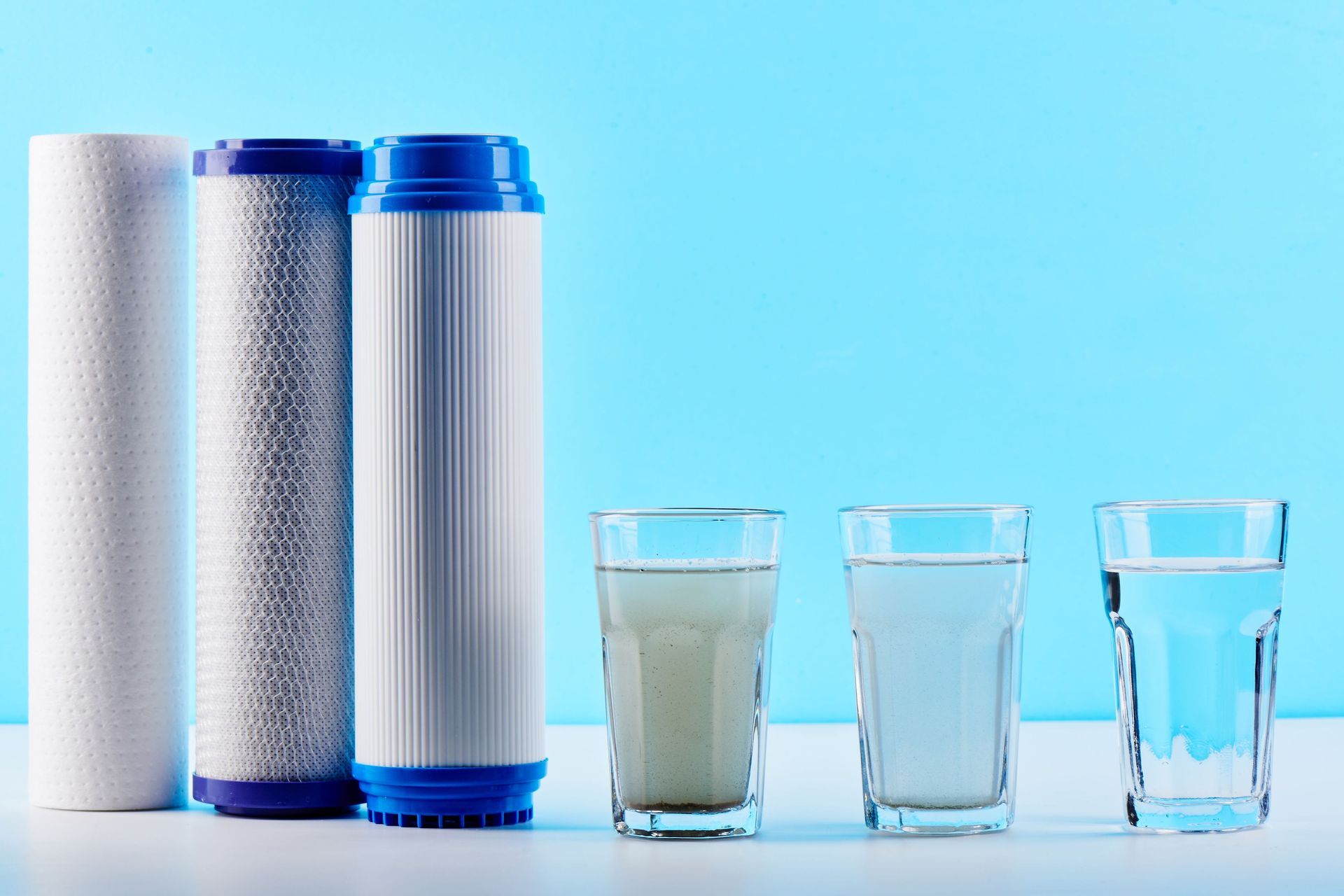
A leaking fridge water filter can be a frustrating and messy problem that disrupts your daily routine and raises concerns about your appliance's efficiency. If you've noticed puddles forming beneath your refrigerator or a steady drip from the filter compartment, you're not alone. 

This common issue can stem from a variety of causes, including improper installation, age-related wear and tear, or even a faulty filter. In this comprehensive troubleshooting guide, we'll delve into the reasons behind your fridge water filter leak and provide you with step-by-step solutions to resolve the issue. 

Whether you're a seasoned DIY enthusiast or a novice looking to tackle this problem, our actionable tips will help you restore your fridge to optimal performance without the hassle of calling a repair technician. Say goodbye to leaks and hello to fresh, clean water with our expert advice!

Introduction to Fridge Water Filters

In today's modern kitchens, fridge water filters play a crucial role in providing clean, refreshing water and ice right from the comfort of your refrigerator. These filters are designed to remove impurities, such as chlorine, sediment, and heavy metals, ensuring that every sip is not only crisp but also safe for your family. While these handy devices offer convenience and improved taste, they can occasionally run into issues, one of the most common being leaks.

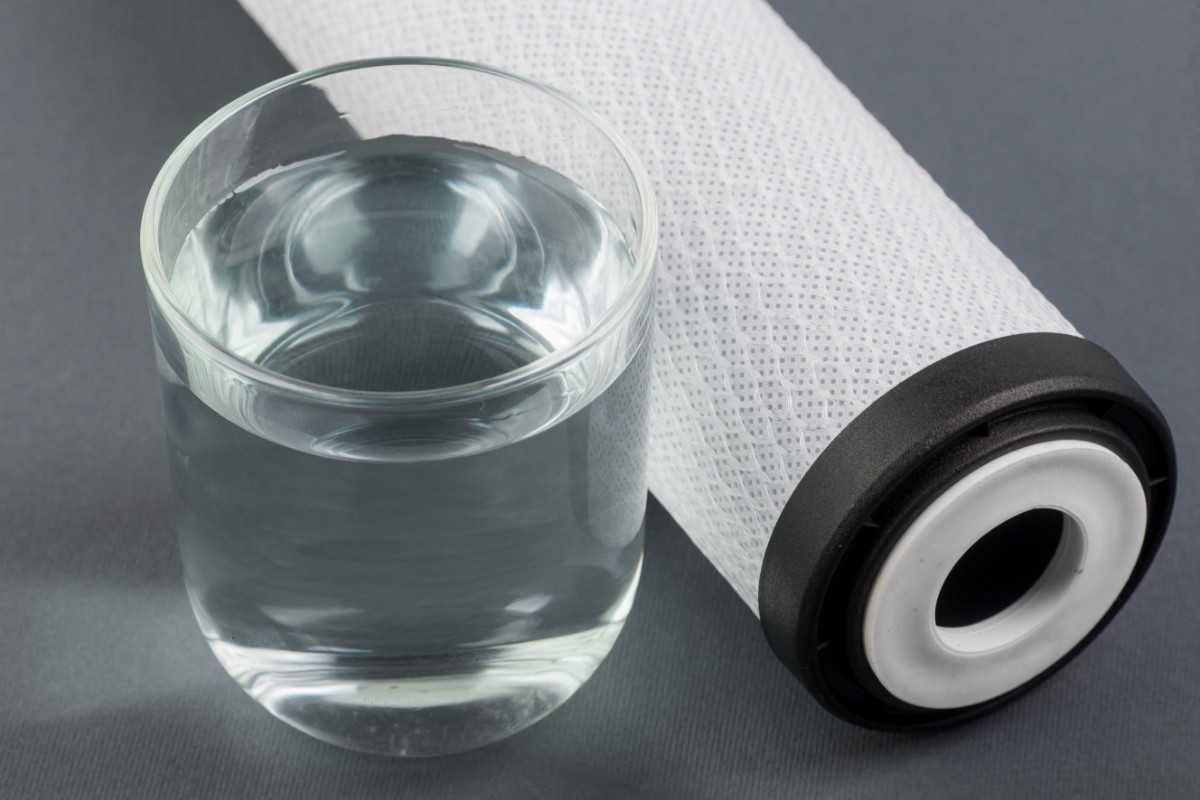
Understanding how fridge water filters work is essential to troubleshooting any problems that arise. Typically, these filters are located inside the fridge, either in the back, at the bottom, or in the door. They work by utilizing activated carbon and other filtration methods to trap contaminants and enhance the quality of your drinking water. However, over time, filters can become clogged, damaged, or improperly installed, leading to leaks that can cause water damage and compromise the efficiency of your appliance.

In this guide, we will delve into the possible reasons behind a leaking fridge water filter and provide step-by-step solutions to help you diagnose and fix the issue. Whether you’re a DIY enthusiast or a novice looking to learn more about your appliance, this guide will empower you to tackle leaks and ensure your fridge continues to serve you well. Let’s get started!

Common Causes of Water Filter Leaks

Understanding the common causes of water filter leaks is crucial for diagnosing and effectively addressing the issue. Here are some of the most frequent culprits that can lead to unwanted water pooling under your refrigerator:

Improper Installation

One of the leading causes of leaks is a filter that hasn't been installed correctly. If the filter is not seated properly in its housing, it can lead to water seeping out. Ensure that you follow the manufacturer's instructions and check that the filter clicks into place securely.

Worn or Damaged O-Rings: 

The O-ring, a rubber gasket that creates a watertight seal, can wear out over time. If this ring is cracked, dirty, or damaged, it may not seal effectively, resulting in leaks. Regularly inspect the O-ring for signs of wear and replace it if necessary.

Clogged Filters: 

If the water filter is clogged, it can create pressure build-up in the system. This can cause water to escape from joints and connections. Regularly changing your filter according to the manufacturer’s recommended schedule can help prevent this issue.

Faulty Water Supply Line: 

The water supply line that connects your fridge to the home water source can also be a source of leaks. Cracks or kinks in the line, or loose connections, can lead to water escaping. Inspect the entire length of the supply line for any signs of damage or looseness.

Temperature Fluctuations: 

Extreme temperature changes can affect the integrity of your water filter and the surrounding components. If your fridge is placed in an area that experiences significant temperature fluctuations, it may lead to contraction and expansion that can cause leaks.

Incompatible Filters: 

Using a filter that is not compatible with your specific refrigerator model can lead to improper fit and leaks. Always ensure you are purchasing the correct filter designed for your appliance.

By identifying these common causes, you can take the necessary steps to troubleshoot and resolve water filter leaks efficiently, ensuring your refrigerator operates smoothly and effectively.

Checking for Improper Installation

One of the most common culprits behind a leaking fridge water filter is improper installation. Even the most high-quality filters can fall victim to a messy leak if they aren’t fitted correctly. If you've recently replaced your water filter and notice a puddle forming underneath, the first step is to carefully inspect the installation process you followed.

Start by removing the filter and carefully examining the o-rings – those rubber seals that create a watertight connection between the filter and the fridge. Ensure that they are clean, undamaged, and properly seated. If these seals are dirty or worn out, they can’t effectively prevent leaks. Clean any debris from the o-rings and, if necessary, consider replacing the filter if the seals appear to be compromised.

Next, check if the filter was inserted correctly. Many models have a specific orientation for installation, and forcing the filter in the wrong way can lead to misalignment. Make sure that you are following the manufacturer’s guidelines, ensuring the filter locks securely into place. A gentle twist or push should do the trick, securing it snugly without excessive force.

Lastly, it’s essential to allow some time for the system to settle after installation. Turn on your fridge and let it run for a few hours, checking for leaks at intervals. If the leak persists despite checking for proper installation, it may indicate a deeper issue with the fridge itself, such as a defective filter housing or an internal water line leak. In that case, consulting a professional may be your best bet to avoid further damage. By ensuring proper installation and taking these initial steps, you can often resolve leaks and get your fridge back to functioning seamlessly.

Inspecting the Water Filter Cartridge

When it comes to diagnosing a leak in your fridge's water filter, one of the most crucial steps is inspecting the water filter cartridge itself. This component is often the silent culprit behind many common leaking issues, and a thorough examination can reveal underlying problems that may otherwise go unnoticed.

Start by carefully removing the water filter cartridge from its housing. Depending on your fridge model, this may involve twisting, pulling, or pressing a release button. Once you have it out, inspect the cartridge for any visible signs of damage. Look for cracks, dents, or warping that may have occurred due to improper installation or simply the wear and tear of time. A compromised filter cartridge can disrupt the seal and lead to leaks.

Next, check the O-ring, a small rubber gasket that ensures a tight seal between the filter and the fridge. If this O-ring is cracked, dirty, or missing altogether, it can cause water to seep out. Clean it gently with a soft cloth to remove any debris, and if you notice any damage, consider replacing the O-ring to restore a proper seal.

Additionally, confirm that you have the correct filter model for your refrigerator. Using an incompatible filter can lead to improper fittings, resulting in leaks. Consult your fridge’s user manual or the manufacturer's website to ensure you’re using the right cartridge.

After inspecting and addressing any issues with the cartridge, reinsert it firmly into its housing. Ensure it clicks or locks in place, which signifies a secure fit. Once you’ve completed these steps, turn on the water supply and monitor the cartridge for any signs of leakage. This simple yet thorough inspection can often resolve leaks, ensuring your fridge operates efficiently without the mess of unwanted water pooling beneath. If issues persist, there may be deeper concerns within the plumbing system or the refrigerator itself that warrant further investigation.

Evaluating the Water Supply Line

When it comes to troubleshooting a leaking fridge water filter, one often-overlooked culprit can be the water supply line. This thin tube, usually made of plastic or copper, is responsible for delivering water from your home’s plumbing to the refrigerator, allowing your water filter to do its job effectively. If you notice water pooling around your fridge, it’s essential to evaluate this line carefully.

Start by visually inspecting the water supply line for any obvious signs of damage, such as cracks, kinks, or corrosion. A cracked line can easily cause leaks, while kinks may restrict water flow and lead to pressure buildup that can exacerbate the problem. If the line appears intact, check the connections at both the refrigerator and the wall. Loose connections can lead to dripping or leaking, so ensure that the fittings are tight and secure.

If you suspect that the water supply line itself is the source of the leak, you may need to replace it. This task is generally straightforward, requiring only a few tools and a replacement line, which can usually be found at your local hardware store. Be sure to turn off the water supply before you begin any repairs to avoid further mess.

Additionally, consider the water pressure in your home. Excessively high water pressure can put strain on the supply line and lead to leaks over time. If you think this might be the case, you may want to consult a plumber to assess the situation and possibly install a pressure regulator.

By thoroughly evaluating the water supply line and addressing any issues you find, you can eliminate a significant source of leaks and ensure your fridge water filter operates smoothly, keeping your water clean and your kitchen dry

Identifying Cracks or Damage to the Filter

When it comes to troubleshooting a leaking fridge water filter, one of the first things to inspect is the filter itself for any signs of cracks or damage. Over time, filters can become compromised due to various factors, including age, improper installation, or exposure to extreme temperatures. A small crack may not seem significant, but it can lead to water seeping out, creating a pool around your refrigerator.

To start, carefully remove the water filter from its compartment, ensuring you follow the manufacturer's guidance to avoid any accidental damage. Inspect the filter’s exterior for visible cracks, dents, or warping. Pay particular attention to the areas around the o-rings, as these seals are crucial for preventing leaks. Damaged seals can create gaps that allow water to escape, leading to the persistent dripping or pooling that often accompanies a faulty filter.

If you notice any cracks, it's essential to replace the filter immediately, as even minor damage can compromise its effectiveness in purifying water. Make sure to choose a filter that is compatible with your fridge model; using the wrong filter could lead to further issues. In cases where the filter appears intact but you’re still experiencing leaks, the damage might be internal. In this situation, it’s advisable to consult the manufacturer’s guidelines or seek professional assistance to ensure a thorough inspection.

By taking the time to identify and address any cracks or damage to your water filter, you can significantly reduce the risk of leaks and maintain the efficiency of your refrigerator’s water filtration system. Remember, a well-maintained filter not only keeps your water clean and crisp but also helps prevent the hassle of water damage in your kitchen.

Understanding the Role of O-Rings and Seals

Understanding the role of O-rings and seals is crucial for diagnosing and preventing leaks in your fridge’s water filter system. These small but mighty components serve as the first line of defense against unwanted water escapes. O-rings, typically made from rubber or silicone, create a watertight seal between the filter and its housing. The seals, on the other hand, are strategically placed to ensure that water flows smoothly through the filter without any gaps or potential leak points.

Over time, O-rings and seals can degrade due to wear and tear, exposure to extreme temperatures, or chemical reactions with the water they come into contact with. Cracks, tears, or even simple misalignment can lead to leaks that not only waste water but can also damage your refrigerator and the surrounding area.

When inspecting your fridge water filter system, take a moment to closely examine these components. Look for any signs of damage, such as brittleness, discoloration, or deformities. An O-ring that appears flattened or stretched may not grip the filter properly, resulting in leaks. Similarly, if seals are worn out, they may fail to create the necessary barrier to keep water contained.

If you identify issues with the O-rings or seals, it’s usually a straightforward fix. Replacement parts are often available through appliance stores or online retailers, and swapping out these components can be a simple DIY task. Ensuring that these small yet vital elements are in good condition is essential for the overall performance of your fridge's water filter system, helping to keep your water flowing freely and your kitchen dry.

How to Tighten Connections Properly

When it comes to addressing a leaking fridge water filter, one of the most crucial steps is ensuring that all connections are tightened properly. Loose connections are often the culprits behind unwanted leaks, and rectifying this issue can save you from the hassle of frequent water damage and the need for premature part replacements.

To begin, first, ensure that you turn off the water supply to your refrigerator. This is essential for your safety and to prevent further leakage while you inspect the filter. Once the water is off, carefully remove the water filter from its housing. This will provide you a clearer view of the connections, making it easier to identify any looseness.

Next, check the O-rings—the rubber seals located at the ends of the filter. These seals are crucial for creating a watertight fit. If they are damaged, worn, or misplaced, it could lead to leaks. If you notice any issues, it’s recommended to replace the O-rings before reinstalling the filter.

When reattaching the filter, make sure to align it properly with the connectors. Follow the manufacturer’s instructions for your specific refrigerator model, as each design may have unique requirements for securing the filter. Generally, you should push the filter firmly into place until you hear a click, indicating that it’s locked in securely.

If your fridge uses a threaded connection, it’s essential to hand-tighten the filter without using excessive force. Over-tightening can damage the threads or the filter itself, leading to more leaks in the future. A good rule of thumb is to tighten it until it feels snug, then give it a slight additional turn.

Finally, once everything is securely connected, turn the water supply back on and monitor for leaks. Allow the fridge to run for a few minutes, then check around the filter connection for any signs of water. If everything looks good, you’ve successfully tightened the connections! Regular maintenance and periodic checks can help you avoid future leaks, ensuring that your fridge operates efficiently and keeps your water clean and fresh.

When to Replace the Water Filter

Knowing when to replace your fridge water filter is crucial not only for the maintenance of your appliance but also for ensuring the quality of the water and ice you consume. While many filters come with a recommended replacement schedule—often every six months—there are several indicators that can signal it's time for a change.

First and foremost, pay attention to the taste and smell of your water. If you notice any unusual flavors or odors, it could mean that the filter is no longer effectively removing contaminants. Similarly, if your ice cubes appear cloudy or have an off-putting taste, this too can indicate that the filter is past its prime.

Another significant warning sign is a decrease in water flow. If you find that the water dispensing from your fridge is slower than usual, this could suggest that the filter is clogged and can no longer perform its function efficiently. In some cases, a leaking water filter can also point to the need for a replacement; old filters can crack or become misaligned, leading to leaks that can damage your appliance or create a mess in your kitchen.

Additionally, keep an eye on the filter’s indicator light if your fridge is equipped with one. Many modern refrigerators have built-in sensors that alert you when it's time to replace the filter. If the light is illuminated, it’s best to take action promptly to avoid any potential issues.

As a rule of thumb, even if you don’t notice any immediate problems, it’s a good practice to adhere to the recommended replacement schedule. Regularly changing your water filter not only helps maintain the efficiency of your fridge but also guarantees that you and your family are drinking clean, fresh water. If you find yourself unsure, don’t hesitate to consult your fridge manufacturer's guidelines or a professional for advice on the best practices for your specific model.

Temporary Solutions to Minimize Leakage

When faced with a leaking fridge water filter, it's important to take immediate action to minimize damage and inconvenience. While finding a permanent fix is essential, there are several temporary solutions you can employ to stem the flow until you can address the root of the problem.

First, check the filter's alignment. Sometimes, a simple misplacement can cause leaks. Gently twist or push the filter to ensure it's seated properly in its housing. This adjustment might be all it takes to stop the leak. If the problem persists, consider wrapping a layer of plumber’s tape around the filter’s threads. This tape can create a tighter seal, reducing the chance of leaks while you prepare for a more permanent solution.

Another quick fix involves using a towel or sponge to soak up any excess water pooling at the base of the fridge. While this won’t stop the leak, it will help prevent water damage to your kitchen floor and appliances. Keep a shallow dish or bowl beneath the filter to catch any drips, but remember that this is merely a stopgap measure.

Additionally, if you suspect the filter is old or nearing its expiration, replacing it with a new one can often resolve leakage issues. Many manufacturers recommend changing your water filter every six months, so investing in a new one might not only fix your leak but also improve the quality of your drinking water.

Finally, if you notice the leak is coming from the water supply line, temporarily shutting off the water supply can be a quick and effective way to prevent further leakage until you can assess and repair the line.

By implementing these temporary solutions, you can effectively manage the inconvenience of a leaking fridge water filter while preparing for a more permanent fix. Remember, diagnosing the underlying cause of the leak will ultimately lead to a more sustainable resolution and peace of mind.

Summary of Key Steps

To summarize the key steps for troubleshooting and fixing your fridge water filter leak:

1. Check the Installation: Ensure that the filter is correctly installed and securely fastened. A loose or improperly aligned filter is a common culprit for leaks.

2.Inspect the Filter for Damage: Look for any cracks, chips, or wear on the filter itself. If you find any signs of damage, replacing the filter is usually the best course of action.

3. Examine the Water Supply Line: Inspect the water supply line for any kinks, bends, or damage that could impede water flow and cause leaks.

4. Look for Ice Build-Up: If your fridge has ice build-up around the filter area, it may indicate a problem with the defrost system, which could lead to leaks. Addressing this issue promptly can prevent further complications.

5.Regular Maintenance: Schedule regular maintenance and filter replacements as recommended by the manufacturer. A proactive approach can help prevent leaks before they start.

By following these steps and staying vigilant about maintenance, you can enjoy clean, refreshing water from your fridge without the worry of leaks disrupting your daily life. If all else fails, don’t hesitate to consult a professional appliance technician to diagnose and resolve more complex issues. Keeping your fridge in top shape not only enhances its performance but also prolongs its lifespan, ensuring your home remains a source of convenience and comfort.

Final Thought

In conclusion, dealing with a leaking fridge water filter can be frustrating, but with the insights and troubleshooting steps outlined in this guide, you now have the knowledge to tackle the issue head-on. Whether it’s a simple matter of improper installation, a worn-out filter, or a more complex plumbing concern, identifying the source of the leak is the first step toward restoring your appliance to its optimal function. Remember to regularly check and maintain your water filter to prevent future leaks and ensure clean, refreshing water for your home. We hope this guide has empowered you to resolve your fridge water filter issues with confidence. 

If you found this information helpful, please share your success stories or additional tips in the comments below—your insights could help fellow readers facing similar challenges!

By Ryan DiChiara December 4, 2025
Buying a water purifier should feel like a simple decision. You just want clean, safe water at home. But when you start looking, every model looks different and every brand says something new. That is why it helps to understand a few basic things before choosing a water treatment system for your family. 1. Understand Your Water First Before you pick anything, take a moment to notice the water you already use. Does it look a little cloudy sometimes? Does it smell like chlorine? Does it leave white marks on taps or kettles? These small signs tell you a lot. When you know what your water is like, it becomes much easier to choose the right water treatment system instead of guessing. 2. Check the TDS Level TDS simply means how many dissolved particles are in the water. A small TDS meter shows this number in a second. If your TDS is high, you may need an RO-based water treatment system. If it is low, UV or UF might be enough. It’s a tiny check that saves a lot of confusion later. 3. Choose the Purification Type That Fits Your Home Each technology does a different job: RO lowers salt and removes heavy metals UV fights germs and viruses UF filters out dust and tiny particles Most families pick a multi-stage water treatment system because it handles a bit of everything. You don’t need to be a tech expert. Just choose the one that matches your water needs. 4. Ask About Maintenance Every purifier needs filter changes. It’s normal. But some brands charge too much, while others keep it reasonable. A good water treatment system should keep your water clean without making you worry about big yearly bills. Always ask the service cost before buying. 5. Think About Your Daily Use Some families drink a lot of water. Some areas get sudden power cuts. Some people like storing water for cooking too. So choose a purifier that fits your routine. A reliable water treatment system should give you enough clean water whenever you need it, without you waiting around. 6. Notice the Taste and Feel Clean water should taste light and fresh. When you install a good water treatment system , you should instantly feel the difference. If the water feels heavy, salty or odd, the system isn’t right for you. Trust your tongue—it never lies. 7. Check Brand Support A purifier is not something you replace every year. Pick a brand that helps quickly, answers politely and sends service on time. This keeps your water treatment system running smoothly for a long time. The Bottom Line Choosing a purifier becomes easy when you know what to look for. Just take a simple, calm approach and pick the water treatment system that feels right for your home and your family’s everyday life. Clean water should always feel safe, simple and stress-free. Frequently Asked Questions How do I know which water treatment system is right for my home? Check your water taste, smell and TDS level. These small clues help you choose the system that fits your daily needs. Does a water treatment system need regular service? Routine water treatment system filtration is important to keep the filters clean. When you get a water filter system installed, ask the provider about routine service and maintenance. Will a water treatment system change the taste of my water? After you install a water treatment system, your water taste will become lighter and fresher.
By Ryan DiChiara November 21, 2025
Knowing what water treatment system you need can feel confusing. Many homeowners look at whole home water softeners and water filters and wonder which one fits their needs. Both water systems help you improve your water quality. Each one solves a different problem. This guide explains what they do, how they work, and how you can choose the right one. What you will learn here: What a whole home water softener does What a water filter does Difference between water softener and filter What questions you should ask before choosing A simple checklist to guide your decision What does a whole home water softener do? A water softener reduces hard minerals in your water. Hard water can leave spots on dishes, create buildup in pipes, and make your soap feel less effective. A softener replaces these minerals with softer ones, usually sodium or potassium. This helps your home feel cleaner and smoother. Your appliances may last longer, and your skin may feel better after a shower. What does a water filter do for your home? A water filter removes unwanted particles and contaminants, such as iron. Some filters also reduce harmful bacteria or improve taste and sulphur smell. A water filter does not soften your water. It helps you get cleaner and safer water for drinking, cooking, and bathing. What is the difference between water softener and water filter? A water softener helps you deal with hard water. A water filter helps you deal with contaminants in water. Some homes need both. Some homes need only one. It depends on the quality of your water supply. If your sinks show white spots or your showerhead clogs often, your water is probably hard. A softener helps with that. If your water has a strong smell or leaves a strange taste, a water filter helps with that. Can you use a water softener and a filter together? Yes. Many homeowners use both systems because they work on different issues. A whole home water softener is installed to supply soft water in the entire home, protects your pipes and appliances. A filter protects your health and improves taste. If you want soft water and clean water, you can install both. Some companies even offer combined systems. Ask yourself: Do I want better taste, better flow, or both? Which system costs more to maintain? A water softener needs salt or potassium refills. You add this every few weeks or months, based on how much water you use. Some softeners need occasional cleaning. A water filter needs replacement cartridges. These depend on water quality and filter type. Some last months, while others last a year. Both systems need simple, routine care. Neither system is hard to maintain. Ask: How much time and money do I want to spend on upkeep? What system is best for my home? The best choice depends on your water test. A test shows if your water is hard, dirty, or both. Without a test, you may guess and choose the wrong product. Most homeowners benefit from testing their water before installing anything. This gives you a clear idea of what you need and helps you avoid extra costs. Ask yourself: Do I truly know what is in my water? Checklist: Whole Home Water Softener vs. Water Filter Use this simple list before you decide: Water Softener Your home has hard water You see white spots on dishes Your pipes or appliances show buildup Your skin feels dry after showers Water Filter Your water tastes odd Your water smells like chlorine You see rust or sediment You want cleaner drinking water Both Systems You want soft and clean water You want better appliance life You want safer water for your family You want better taste and fewer minerals Both whole home water softeners and water filters can help you create a healthier and more comfortable home. When you know what each one does, you can make a confident choice that fits your needs, your budget, and your everyday life. FAQs How do I know if I need a water softener or a filter? A simple water test can help you know. If you see white spots on your dishes or feel buildup in your shower, you may need a water softener. If your water tastes or smells strange, you may need a filter. Can I use a water softener and a water filter at the same time? Yes. Many homes use both water treatment systems. A water softener helps with hard minerals. A water filter helps with taste, smell, and safety. Using both systems gives you cleaner and softer water. Do these systems need a lot of care? Not really. A water softener needs salt or potassium refills. A water filter needs new cartridges. Both tasks are simple, and most homeowners can handle them easily.
By Ryan DiChiara November 13, 2025
Tiny pieces of plastic are hiding in drinking water across America. These particles, called microplastics, can harm health over time. The good news is that a drinking water system for the home can stop these contaminants before they reach your glass. Families want clean, safe water. Understanding how these systems work makes it easier to choose the right protection. What Are Microplastics? Microplastics are extremely small plastic bits. Each piece measures less than 5 millimeters, which is smaller than a grain of rice. They break off from plastic bottles, food packaging, and even synthetic clothes when washed. Scientists are still learning about health risks. Early research shows these particles might carry dangerous chemicals into the body. Some microplastics also have bacteria stuck to their surface. This makes clean drinking water more important than ever. How Filtration Systems Block Microplastics A home water filtration system catches microplastics before they enter drinking water. Think of it like a super-fine net that blocks tiny particles. However, not every filter works the same way. Reverse osmosis systems offer the best protection. Water gets pushed through a special membrane with incredibly tiny holes. These holes measure just 0.0001 microns, which is way too small for microplastics to squeeze through. Choosing the Right Water System Multi-stage filtration works better than single filters. The best systems have three or more stages. First, a sediment filter catches dirt and rust. Next, a carbon filter removes chemicals. Finally, the reverse osmosis membrane blocks the tiniest particles, including microplastics. NSF certification proves a system actually works. This label means independent testers checked the system's performance. Look for NSF/ANSI Standard 58 on reverse osmosis units. This certification guarantees the system removes what it promises. Easy filter changes keep the system running smoothly. Filters need replacement every few months to a year. Systems with simple designs let homeowners change filters themselves. This saves money on service calls. Other Harmful Things These Systems Remove A quality drinking water system for the home does more than filter microplastics. These systems tackle many water problems at once. This makes them a smart investment for long-term health. Chlorine gives tap water that swimming pool smell and taste. Lead can leak from old pipes into drinking water. Pesticides wash off farms into water supplies. Even traces of medicines end up in some water sources. Good filtration systems catch all these contaminants. UV sterilizers can work alongside filters for extra safety. These devices use ultraviolet light to kill germs. Bacteria and viruses that survive filtration get destroyed by UV light. Together, filters and UV create multiple layers of protection. Finding the Perfect Drinking Water System Every house has different water issues. What comes out of one tap might be very different from a neighbor's water. Getting water tested shows exactly what contaminants are present. This information helps choose the right filtration setup. Some families only need a drinking water system under their kitchen sink. This filters water for cooking and drinking. Other homes benefit from whole-house systems that clean water at every faucet. The right choice depends on budget, space, and water test results. Frequently Asked Questions Do all water filters remove microplastics from drinking water? No, basic filters cannot remove microplastics effectively. Pitcher filters and simple faucet attachments only catch large particles. They improve taste by removing chlorine but miss microplastics entirely. A reverse osmosis system provides the fine filtration needed. These systems have special membranes with holes measuring 0.0001 microns. How often should filters be replaced in home drinking water systems? Filter replacement timing varies by system type and water quality. Reverse osmosis systems have pre-filters that need changing every 6 to 12 months. These catch sediment and chemicals first. The main RO membrane lasts much longer, usually 2 to 3 years. UV sterilizer bulbs need replacement once a year to stay effective. Can drinking water systems remove chemicals and bacteria along with microplastics? Yes, quality systems remove many different contaminants at the same time. A multi-stage reverse osmosis system has carbon filters that catch chlorine, pesticides, and traces. The RO membrane blocks heavy metals like lead and arsenic while stopping microplastics.
By Ryan DiChiara November 6, 2025
Clean drinking water keeps families healthy. But many homes across America have water problems that people don't notice right away. Knowing when to get water testing for your home can protect your family's health. Here are five warning signs that mean you should test your water right now. Sign 1: Strange Taste or Smell Water should taste and smell like nothing. When it doesn't, something's wrong. A metallic taste often means lead, copper, or iron in your water. A chlorine smell is often due to chlorination, but an overpowering chlorine odor may indicate excessive levels, which can pose health risks. This happens more often than people think. Does your water smell like rotten eggs? That's hydrogen sulfide gas. While not always dangerous, it makes water unpleasant to drink. Sometimes it signals bigger problems with your well or pipes. Sign 2: Discolored or Cloudy Water Clear water is safe water. When you turn on your tap and see brown, yellow, or cloudy water, that's a problem. Brown or reddish water usually means rust from old pipes. While rust itself isn't deadly, it shows your pipes are breaking down. Blue or green water is worse. This color comes from copper leaching from your plumbing. Even clear but cloudy water needs attention. Cloudiness can mean bacteria, minerals, or sediment. Professional home water quality testing will tell you exactly what's in there. Sign 3: Stains on Sinks and Appliances Look at your sinks, bathtubs, and toilets. Do you see stubborn stains that won't wash away? Green stains indicate acidic water leaching copper or lead out of plumbing fixtures, while red stains result from rust. Both mean you need water contamination testing soon. Your dishes and laundry show signs, too. White, chalky buildup on glasses means hard water with lots of minerals. While hard water won't poison you, it damages appliances and wastes money on repairs. Sign 4: Health Problems in Your Family Pay attention when family members get sick repeatedly. Stomach problems, skin rashes, or headaches might come from bad water. Kids and elderly people get sick faster from contaminated water. Their bodies can't fight off bacteria and chemicals as well. If multiple family members feel ill after drinking tap water, test your water immediately. Skin irritation after showers might mean chlorine or other chemicals. Persistent rashes need medical attention and residential water testing to find the cause. Sign 5: Changes in Your Neighborhood Sometimes the problem isn't in your home. Changes nearby can affect your water supply. Did a factory open near your home? Is there construction on your street? These activities can contaminate groundwater. Government advisories about water quality should prompt immediate action. If officials issue boil-water notices, take them seriously. Get professional water testing services to know when your water is safe again. Why Water Testing Matters Now? Many dangerous contaminants have no taste, smell, or color. Arsenic, nitrates, and certain bacteria hide in water that looks perfectly clean. Only laboratory testing can find them. Well water owners face extra risks. The EPA's rules that protect public drinking water systems do not apply to privately owned wells. If you have a well, you're responsible for testing it yourself. Frequently Asked Questions Q: How often should homeowners test their water? Most experts recommend testing well water at least once per year. Test for total coliform bacteria, nitrates, total dissolved solids, and pH levels annually. Public water customers should test whenever they notice changes in taste, smell, or color. Q: What contaminants are most dangerous in drinking water? Lead ranks as one of the most harmful because no safe level exists. It damages children's brains and nervous systems permanently. Between 2018 and 2020, at least 186 million people drank from water systems that detected lead levels exceeding 1 part per billion. Q: Can water filters remove all contaminants? Not all filters work the same way. Simple pitcher filters remove chlorine and improve taste, but miss many dangerous contaminants. They don't remove lead, arsenic, or most bacteria effectively.
By Ryan DiChiara October 24, 2025
Water from your tap might look clean, but there's a lot of stuff you can't see. The water from your tap contains chemicals, dirt, bacteria, and other contaminants that you definitely don't want in your body. That's why getting a water filtration system for home is one of the smartest decisions you can make. But here's the catch: not all filters are created equal. Some work great. Some are just expensive junk. Here's what you need to look for. Multi-Stage Filtration (Because One Filter Isn't Enough) Think of it like this: would you clean your entire house with just one tool? Of course not. The same goes for water filters. You need different stages to catch different bad stuff. A good water filtration system for home has at least 3-5 stages. The first stage catches big particles like sand and rust. The next one removes chlorine and weird smells. The final stages get rid of tiny things like lead and bacteria. Each stage has a job. Together, they make your water actually clean. NSF Certification Anyone can say their filter is amazing. But how do you know they're telling the truth? That's where NSF certification comes in. It's like a report card for water filters. Independent labs test these systems to make sure they actually work. Look for certifications like NSF 53 or NSF 58. If a water filtration system for home doesn't have this, don't trust it. Easy Filter Changes (Nobody Has Time for Complicated Stuff) Here's what happens with most people: they buy a great filter, then never change it because it's too hard. Dirty filters don't clean water. They make it worse. Find a system where changing filters is super easy. Twist off, snap in, done. No tools. No headaches. Also, check how much replacement filters cost. Some companies sell cheap systems but charge crazy amounts for new filters. Don't fall for that trap. Good Flow Rate Imagine filling a glass of water and it takes five minutes. Frustrating, right? Check how fast water comes out. Look at the GPD (gallons per day) rating. For a normal family, 50-75 GPD works well. The best water filtration system for home gives you clean water without making you wait forever. Easy Installation There are different types of systems: Under-sink models hide under your counter but need some installation work. Countertop filters just sit on your counter. Whole-house systems filter all the water in your home but cost more and need professional help. Pick a water filtration system for home that fits your space and skills. If you're not handy, don't get something complicated. The Bottom Line You drink water every single day. Your kids drink it. You cook with it. You make coffee with it. Don't settle for tap water that might have harmful stuff in it. Get a certified system with multiple stages that's easy to maintain. That's really all you need to focus on. Frequently Asked Questions How often should I change the filters in my system? Most filters need replacing every 6 months, but always check your system’s manual. Does a water filtration system remove bacteria and viruses too? Water filters with UV or reverse osmosis stages can remove bacteria and viruses from water. Can I install a water filtration system myself? It is always better to hire a professional water filter installation company near you to make sure your water system is installed correctly.
By Ryan DiChiara October 17, 2025
The Difference between Whole Home and Under-Sink Water Filters 
By Ryan DiChiara September 30, 2025
Tap water travels through many pipes before reaching homes. Along the way, it picks up contaminants that treatment plants miss. What looks clean might carry invisible germs that harm health. The best water filtration system removes these hidden dangers. Families deserve water that truly protects their health, not just water that meets minimum safety standards. What Hides in Unfiltered Water City water treatment removes most bacteria and large particles. But many smaller contaminants remain. Chlorine stays in water after disinfection. It creates an unpleasant taste and smell. Lead enters water from aging pipes in older neighborhoods. Even tiny amounts harm children's development. No safe level of lead exists for young children. PFAS chemicals now appear in water supplies nationwide. These "forever chemicals" don't break down naturally. Scientists link them to thyroid problems, immune system issues, and increased cancer risks. Hard water minerals cause different problems. Calcium and magnesium build up inside pipes and appliances. They leave crusty deposits on faucets and make soap work poorly. How Filtration Systems Work The best water filtration system uses multiple stages to catch different contaminants. Each stage targets specific problems based on particle size and chemical properties. Whole-home systems filter every drop entering the house. They install on the main water line. This protects drinking water, shower water, and water used in appliances. Reverse osmosis provides the deepest clean available. Water pushes through microscopic membrane holes. Nearly everything except water molecules gets blocked. Carbon filters excel at removing chlorine, pesticides, and chemicals that affect taste. Activated carbon works like a sponge. It traps organic compounds as water flows through. Real Health Benefits of a Water Filtration System Children who drink filtered water avoid exposure to development-harming substances. Their growing bodies absorb contaminants more easily than adults. Clean water supports healthy brain and body development. Filtered water reduces skin irritation from chlorine and minerals. People with sensitive skin notice less dryness after switching to filtered shower water. Hair becomes softer and shinier, too. Cooking with the best water filtration system improves food quality. Vegetables retain natural flavors without a chlorine taste. Rice, pasta, and soups taste better when prepared with clean water. Making the Right Choice Water quality varies by location. Testing the current water reveals which problems need fixing. Home test kits provide basic information about common contaminants. System capacity matters for larger families. High-flow systems handle peak demand when multiple people use water simultaneously. Undersized systems create pressure drops and frustration. Frequently Asked Questions Q: How do homeowners know which filtration system they need? Start with a water quality test. Municipal water reports show some contaminants but miss others. Home test kits check for lead, chlorine, hardness, and pH levels. Professional testing provides the most complete analysis. Q: What maintenance does the best water filtration system require? All systems need regular filter changes to work properly. Carbon filters last 6 to 12 months, depending on water usage and contamination levels. Reverse osmosis membranes work for 2 to 3 years before replacement. Q: Can filtration systems handle well water effectively? Yes, but well water needs different treatment than city water. Wells often contain bacteria, sediment, iron, sulfur, and manganese. The best water filtration system for wells combines multiple technologies.
By Ryan DiChiara September 19, 2025
Have you ever wondered why your water filter stops working well after some time? Well, it needs care just like everything else in your house. A reverse water osmosis system for the home is basically a smart machine that cleans dirty water. It takes out all the yucky stuff and gives you pure water to drink. Why Does Your Water Filter Need Care? Your reverse water osmosis system for home is working all day long. It's like fighting against dirty water. But even water systems fail sometimes and need help. When you don't take care of it, the water starts tasting weird. Sometimes it becomes slow like a lazy turtle. Nobody wants that! Step 1: Change the First Filters Every 6 Months Your reverse water osmosis system for home has some filters at the front. Think of them like guards at a gate. They stop big dirt pieces from going inside. These guards get really dirty after 6 months. You need to replace them with fresh ones. How to do it: Turn off the water (very important!) Open the round container Take out the old dirty filter Put the new clean filter inside Close everything back Turn on the water again It's super easy. Takes just 10 minutes. The old filter will look brown and gross. That means it was doing its job well. Step 2: Change the Main Filter Every 2 Years The most important part of your reverse water osmosis system for home is called the membrane. This is like the brain of your water cleaner. It removes really tiny bad things that you can't even see. This special filter works for about 2 years. After that, it gets tired and needs replacement. You'll know it's time when water comes out very slowly or tastes strange. Step 3: Clean the Water Tank Once Every Year Your system has a big container that stores clean water. Once a year, you should clean this tank. Empty all the water out. Rinse it with fresh water. This stops germs from growing inside. Some people use a little bit of cleaning liquid, but make sure to wash it out completely. Step 4: Look for Water Leaks Every Month Once a month, check around you r reverse water osmosis system for home. Look for any water drops on the floor or wet spots. If you find water where it shouldn't be, tighten the connections. Most times, you can fix it with your hands. If water keeps coming out, call someone who knows how to fix it. Step 5: Test Your Water Sometimes Buy water test strips from any store. They're like magic papers that tell you if your water is clean. Use them every few months. If the test shows bad results, maybe your filters need changing. Usually, new filters solve the problem. Smart Tips to Remember Always keep extra filters at home. Write reminder notes on your calendar so you don't forget. Never use hot water with your system. Hot water can break the parts inside. Only use cold water. Taking care of your water system is not hard work. Most people think it's easier than they expected. The best part is getting clean, tasty water every single day. When you take good care of your system, it will take good care of you for many years. Clean water is one of the best things you can give to your family. Remember, a little bit of care goes a long way. Your water system will thank you by giving you the cleanest, freshest water every day. Frequently Asked Questions How often should I change my water filters? The first filters need changing every 6 months. The main filter lasts for 2 years. But this can change based on how dirty your water is and how much you use. Can I take care of my water system by myself? Yes, you can! Changing filters is easy and safe. You just need to follow the steps carefully. Most people can do it without calling a repair person. What happens if I forget to take care of my water system? Your water will start tasting bad and flowing slowly. Germs might grow inside. The system might break down and cost lots of money to fix or replace.
By Ryan DiChiara September 9, 2025
Having your own well water system for home is useful. You don't pay monthly water bills and you control your own water supply But sometimes well water comes with annoying problems. Iron and sulfur are the two biggest troublemakers. Iron Problems in Water System Iron in well water isn't going to hurt you, but it surely makes life frustrating. Ever notice those ugly orange and brown stains in your bathroom? That's ir on doing its thing. Your white clothes might start looking yellow after washing. Your coffee tastes weird. Your sink looks like someone splashed rust all over it. These are all signs that iron has moved into your well water system for home without asking. Iron also clogs up your pipes over time. Your appliances also don't tolerate it for long either. So even though it won't make you sick, iron can cost you money in repairs and replacements. The Rotten Egg Smell Problem Sulfur is even easier to spot than iron. Turn on your kitchen faucet and your water smells like rotten eggs. You'll know it instantly. This smell makes everything harder. Drinking water becomes gross. Cooking with smelly water ruins your food. Even taking a shower feels awful when the water stinks. Sulfur gets into your well water system for home naturally. It comes from underground gases that mix with your water as it moves through rocks and soil. Why This Stuff Happens Iron and sulfur problems are totally normal for well water. Your well pulls water from deep underground, where it travels through dirt, rocks, and minerals for who knows how long. As water moves around down there, it picks up all sorts of stuff. Sometimes that includes iron and sulfur. So don't feel bad if your water has these problems. It's just nature doing its thing. Getting Rid of Iron Fixing iron problems is pretty straightforward. An iron filter does most of the work for you. It catches the iron before it gets to your faucets. If you don't have tons of iron, a regular water softener might handle it. But if your water looks like orange juice, you'll need a filter made specifically for iron removal. The good news is that once you install the right system, those ugly stains stop showing up. Your clothes stay white and your water tastes normal again. Saying Goodbye to Sulfur Smells Nobody wants their house smelling like rotten eggs. Luckily, sulfur problems have simple fixes too. A sulfur filter pulls that stinky gas right out of your water. Another option is an aeration system that bubbles air through the water to get rid of the smell. Either way, you can make your well water system for home smell fresh and clean. No more holding your breath when you turn on the tap. The Bottom Line Iron and sulfur don't have to ruin your well water experience. These problems are fixable with the right equipment, like iron water filtration. Once you tackle them, you'll wonder why you waited so long. Clean, fresh-tasting water makes everything better. Your morning coffee tastes right. Your shower is actually relaxing. Your white shirts stay white. That's what a good well water system for home should give you. Frequently Asked Questions How can I tell if my water has iron? Look for orange or brown stains on your sinks, tubs, and toilets. If your water tastes like metal or your white clothes turn yellow, you've got iron. What does sulfur in water smell like? It smells exactly like rotten eggs. You'll notice it the second you turn on any faucet. The smell is unmistakable. Can I fix these problems myself? Small amounts of iron or sulfur might respond to basic filters you can buy at the store. But bigger problems need professional water testing and proper equipment to fix right.
By Ryan DiChiara September 2, 2025
In Florida, many families wonder if their water filter can really remove fluoride. The answer is yes, but not all filters work the same way. If you are planning to buy a reverse osmosis system for home, you must first confirm if the RO system you are planning to buy can remove fluoride from water. The best way to confirm if your RO can remove fluoride ask the provider if your RO has a semi-permeable membrane that removes the fluoride. Read this guide to understand how a reverse osmosis system for home can treat fluoride presence in water. What Actually Happens With Fluoride Fluoride is added to most city water supplies. Some people want it removed for health reasons or taste preferences. A reverse osmosis system for home can remove 85-95% of fluoride from tap water. How Does It Really Work Think of reverse osmosis like a super tiny strainer. Water molecules are sufficiently small to flow through, but fluoride particles are captured and eliminated. The process pushes water through a special membrane. The holes in this membrane are so tiny that only water can pass through. Everything else, including fluoride, gets left behind. Real Results From Testing Water testing shows impressive results. Tap water with 1.0 parts per million of fluoride drops to just 0.05-0.15 parts per million after treatment. That's like taking 20 teaspoons of fluoride and leaving only 1 teaspoon behind. Pretty amazing for a home filter system. Why Families in Florida Choose This Option Parents frequently fear that their kids are receiving excessive amounts of fluoride. Some children already receive fluoride treatments at the dentist and use fluoride toothpaste. Others simply want control over what goes into their drinking water. A reverse osmosis system for home gives families this choice. The Science behind Removal of Fluoride The membrane technology works because of size differences. Fluoride molecules are bigger than water molecules. When water gets pushed through tiny holes, fluoride cannot follow. Most reverse osmosis systems for home units have multiple stages: Pre-filter removes big particles Main membrane catches fluoride and chemicals Final filter improves taste What People Actually Experience Families report noticeable changes after installation. The water tastes cleaner and has no chemical aftertaste. Ice cubes become crystal clear instead of cloudy. Some notice their coffee and tea taste better too. This happens because the reverse osmosis system for home removes other chemicals along with fluoride. Important Things to Remember These systems do waste some water during the cleaning process. For every gallon of clean water, about 2-3 gallons go down the drain. The filters need regular replacement. Old filters stop working properly and let fluoride through again. Installation takes up space under the kitchen sink. Most reverse osmosis systems for home units fit, but measure first. The Bottom Line Truth It is true that fluoride is eliminated from drinking water by reverse osmosis. Testing proves it works consistently when maintained properly. Families who want fluoride-free water find this technology reliable and effective. The reverse osmosis system for home delivers what it promises. Frequently Asked Questions Will my water taste weird after removing fluoride? Most people say their water tastes better, not worse. Fluoride can give water a slight chemical taste that many folks don't realize they're tasting until it's gone. Is it expensive to remove fluoride this way? The upfront cost feels big, but it's cheaper than buying bottled water forever. A decent reverse osmosis system for home costs about the same as 6-8 months of bottled water for a family. Plus, you get unlimited clean water after that. Do I need to worry about losing good minerals too? Yes, reverse osmosis takes out good minerals along with fluoride. Some families add minerals back or eat mineral-rich foods.